
Rajasthan
Ranthambore
Rajasthan’s tiger country, built around a 10th-century fort
Photo: Anishshah19 (Public domain), via Wikimedia Commons
Overview
About Ranthambore
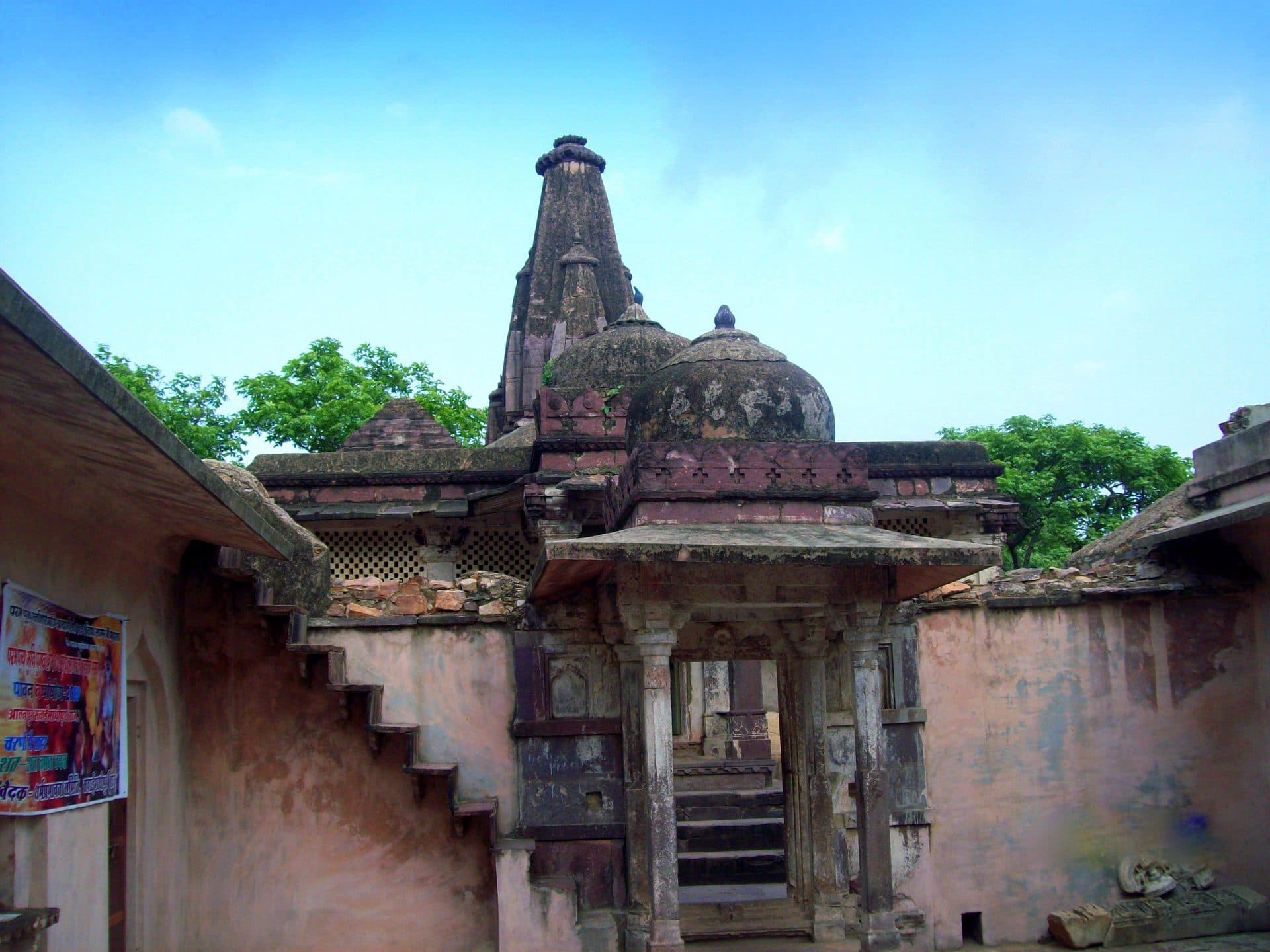
Ranthambore National Park is one of India’s most reliable places to see a wild tiger, thanks to a relatively open, dry-deciduous landscape and a healthy, well-studied tiger population that has produced some of India’s most photographed big cats. The park is built around the ruins of Ranthambore Fort, which still stands within the reserve.
This is a distinct content type from Rajasthan’s city hubs — a wildlife-first stop, best added as a 2-3 day extension to a Jaipur-based itinerary rather than a full circuit destination on its own.
- Two safari drives (morning and afternoon) across different park zones for the best sighting odds
- Ranthambore Fort, accessible within the reserve and largely uncrowded compared to city forts
- Padam Talao lake, where tigers are frequently seen swimming or resting near the fort ruins
- A genuine chance (not a guarantee) of a daylight tiger sighting, especially in the drier months
Top attractions
What to see in Ranthambore
Ranthambore National Park
A former royal hunting ground turned tiger reserve, spread across roughly 1,400 sq km.
Ranthambore Fort
A 10th-century fort within the reserve boundary, with several temples and step-wells still standing.
Padam Talao
The park’s largest lake, a reliable spot for tiger and bird sightings alike.
Things to do
Experiences in Ranthambore
Morning and afternoon safari drives
Book across different zones (1-10) to maximise sighting variety over a multi-day stay.
Visit Ranthambore Fort
Combine with a safari day, since the fort sits inside the reserve itself.
Birdwatching at Padam Talao
Even without a tiger sighting, the park has strong birdlife, especially in winter.
When to go
Best time to visit
October to June (the park closes during monsoon, July-Sept). April-May, though hot, often produces the best sightings as animals gather near remaining water sources.
Getting around
Transportation
Sawai Madhopur, the nearest town, has a well-connected railway station roughly 3.5-4 hours from Jaipur by road or train.
Where to eat
Restaurants in Ranthambore
Multi-cuisine
In-resort dining
Most Ranthambore stays are resort-style with their own dining rooms, since the park zone itself has few independent restaurants.
Eating
Food guide
Most visitors dine at their resort; expect a mix of Rajasthani thalis and international menus geared toward wildlife-safari travelers.
Practical
Travel tips
Book safari permits well in advance, especially in peak winter months — zones are allocated by the forest department and fill up fast. Morning safaris are colder than you’d expect; carry a jacket even in the dry season.
Questions
Ranthambore: common questions
No sighting can ever be guaranteed in the wild, but Ranthambore has one of India’s highest sighting-success rates, especially across two or more safari drives in the drier months.
We recommend at least two to three drives across different zones to meaningfully improve your odds and see more of the park’s varied terrain.
Plan my trip
Planning a trip to Ranthambore?
Tell us your dates and who is travelling. We reply with an itemized plan you can change.