
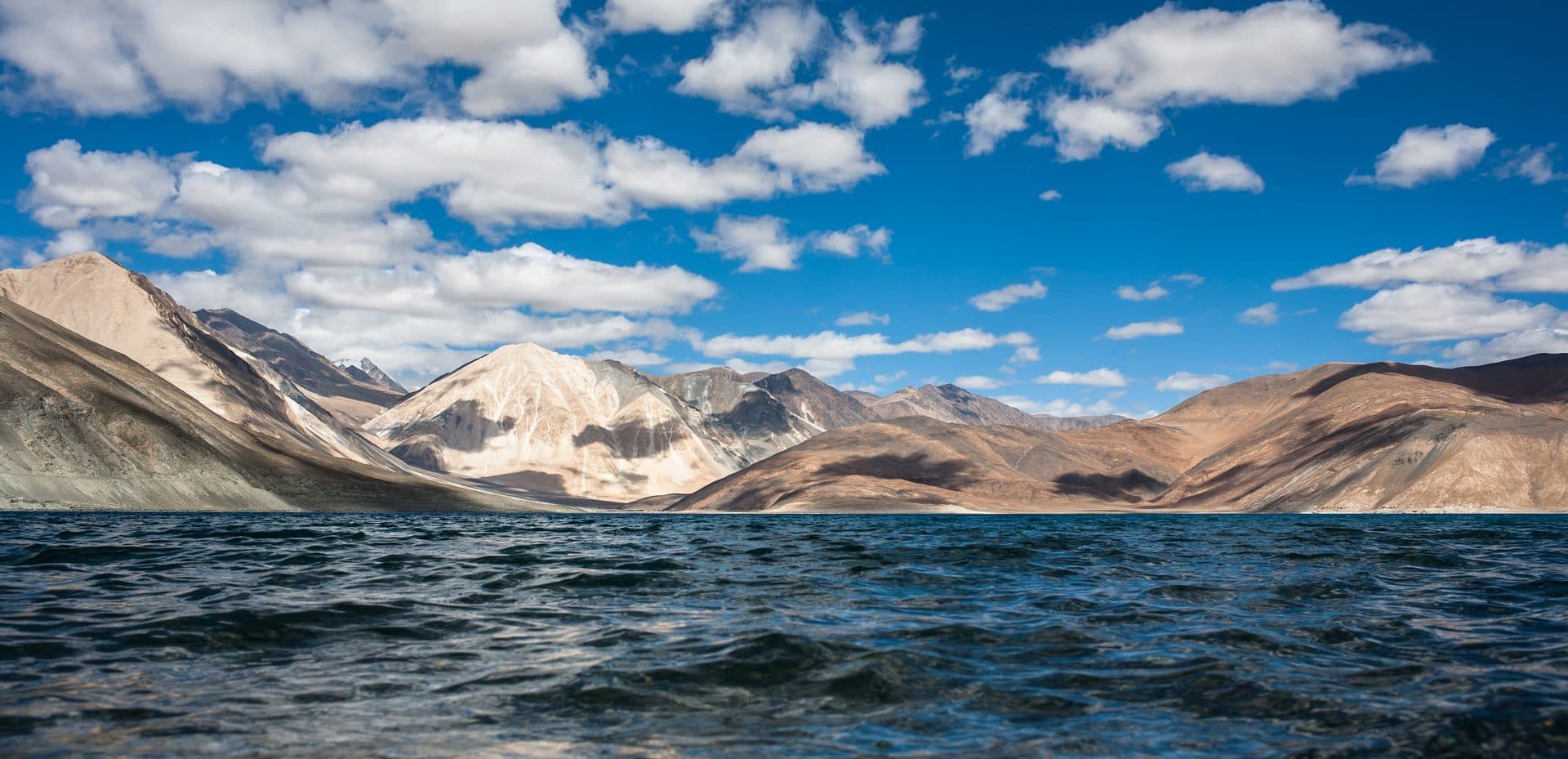
Destination
Ladakh
The Land of High Passes — Buddhist monasteries above the clouds
Photo: KennyOMG (CC BY-SA 4.0), via Wikimedia Commons
Overview
Ladakh, in brief
Ladakh is a high-altitude cold desert wedged between the Himalayan and Karakoram ranges, its Buddhist monasteries (gompas), turquoise high-altitude lakes and some of the world’s highest motorable passes drawing bikers, trekkers and increasingly honeymooners since it opened up to wider tourism.
Leh and the Nubra Valley anchor our current coverage, giving access to Ladakh’s main town and its dramatic high-altitude desert-and-dune valley beyond Khardung La.
- Pangong Lake’s vivid, shifting blue at altitude
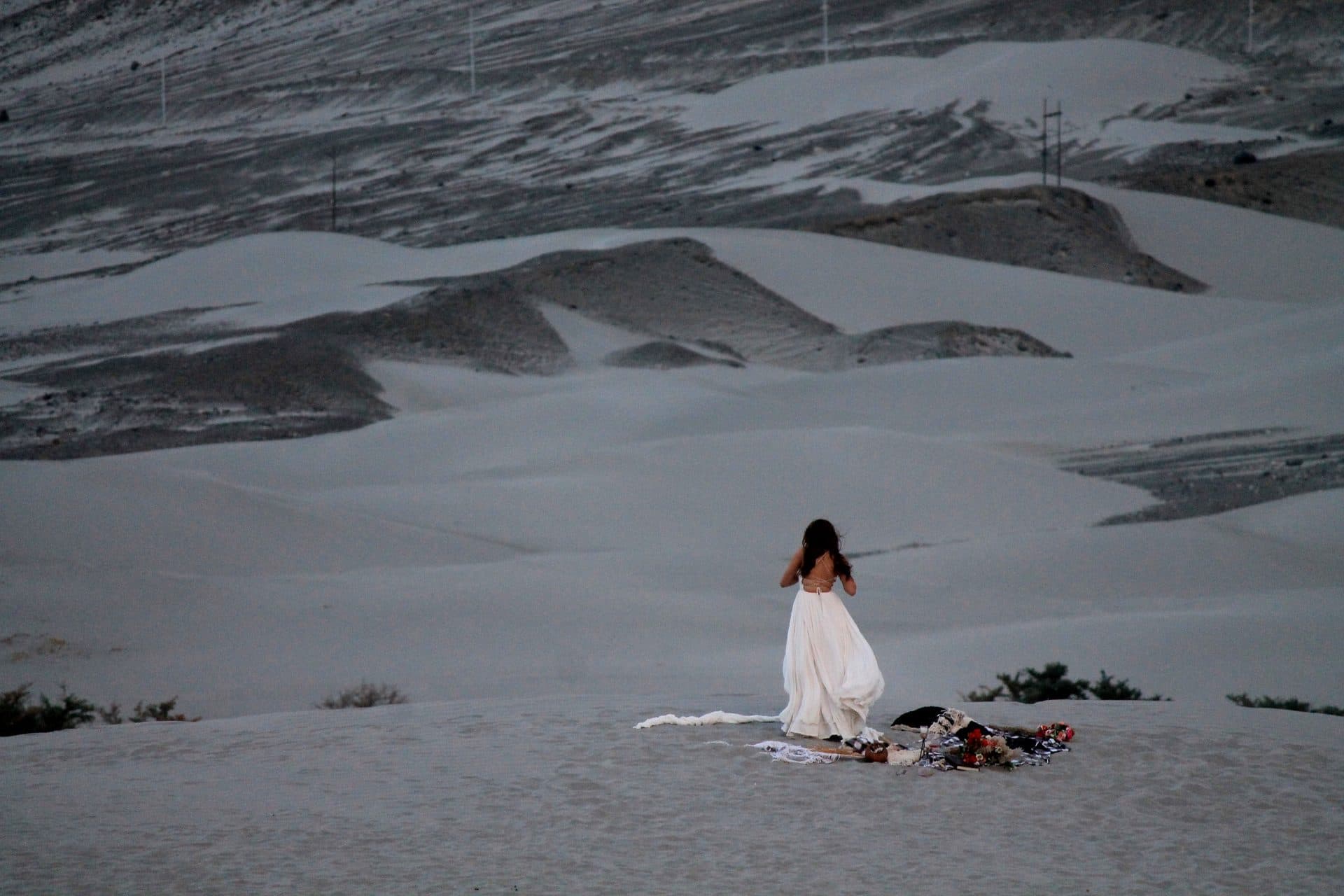
- Nubra Valley’s sand dunes and double-humped Bactrian camels
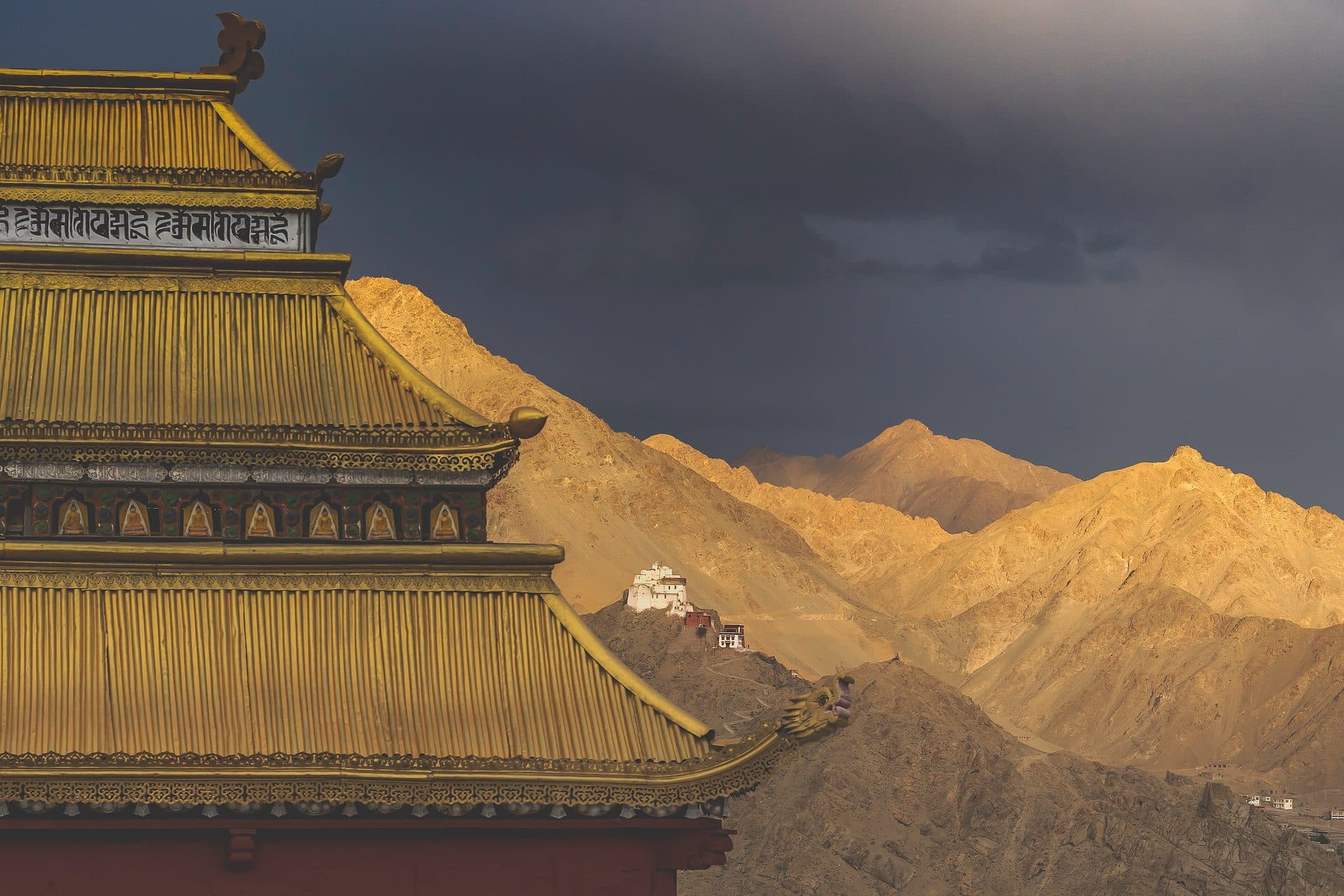
- Thiksey and Hemis monasteries
- Khardung La, among the world’s highest motorable passes
2 places
Ladakh, place by place
Tours
Ladakh tour packages
 8D / 7NLeh · Nubra Valley · Pangong Lake
Group trip
Leh Ladakh Bike Expedition
A guided motorcycle expedition across Ladakh’s high passes, with a support vehicle carrying luggage and mechanical backup…
8 days / 7 nights
From₹39,000
 5D / 4NLeh · Nubra Valley · Pangong Lake
Weekend getaway
Nubra Pangong Tour
A shorter Ladakh trip weighted toward Nubra Valley and Pangong Lake specifically, for travelers with limited time who still want…
5 days / 4 nights
From₹38,000
4D / 3NLehWeekend getaway · Budget-friendly
Ladakh Monastery Tour
A Leh-based trip focused on the region’s Buddhist monasteries, for travelers with limited time or altitude concerns who’d rather…
4 days / 3 nights
From₹27,000
7D / 6NLeh · Nubra Valley · Pangong LakeFull circuit
Ladakh Complete Tour
Our standard non-biking Ladakh circuit by private car, covering Leh’s monasteries, Nubra Valley’s dunes and Pangong Lake…
7 days / 6 nights
From₹36,000
6D / 5NLeh · Nubra Valley · Pangong LakeHoneymoon
Ladakh Honeymoon Package
A slightly gentler-paced Ladakh circuit for couples, prioritising Pangong Lake’s dramatic scenery and a comfortable Nubra Valley…
6 days / 5 nights
From₹37,500
When to go
Best time to visit
May to September is the only realistic travel window — most high passes and the Leh-Manali/Leh-Srinagar highways close with snow the rest of the year. June-August is peak season.
Practical
Travel tips
Altitude sickness is a genuine risk — spend at least a full day acclimatising in Leh (3,500m) before heading higher to Pangong or Khardung La. Inner Line Permits are required for Nubra Valley, Pangong Lake and other border-adjacent areas, which we arrange as part of relevant packages.
Eating
Food guide
Ladakhi food shares much with Tibetan cuisine: thukpa, momos, and skyu (a hand-rolled pasta-like dish in vegetable broth) are the staples that suit the high-altitude climate.
Questions
Ladakh: common questions
It’s a genuine consideration at Leh’s 3,500m elevation and higher at Khardung La (over 5,300m) — we build in an acclimatisation day and recommend consulting a doctor about preventive medication if you have any relevant health concerns.
Plan my trip
Thinking of Ladakh?
Send your rough dates and who is travelling. We reply with an itemized plan you can change.