Rajasthan’s living craft traditions make it one of India’s best states for meaningful souvenir shopping — as long as you know which city specializes in what.
Jaipur
The state’s shopping capital: Johari Bazaar for gemstones and jewelry (stick to certified government emporiums for serious purchases), Bapu Bazaar for block-printed textiles and juttis, and blue pottery workshops on the city’s outskirts.
Jodhpur & Jaisalmer
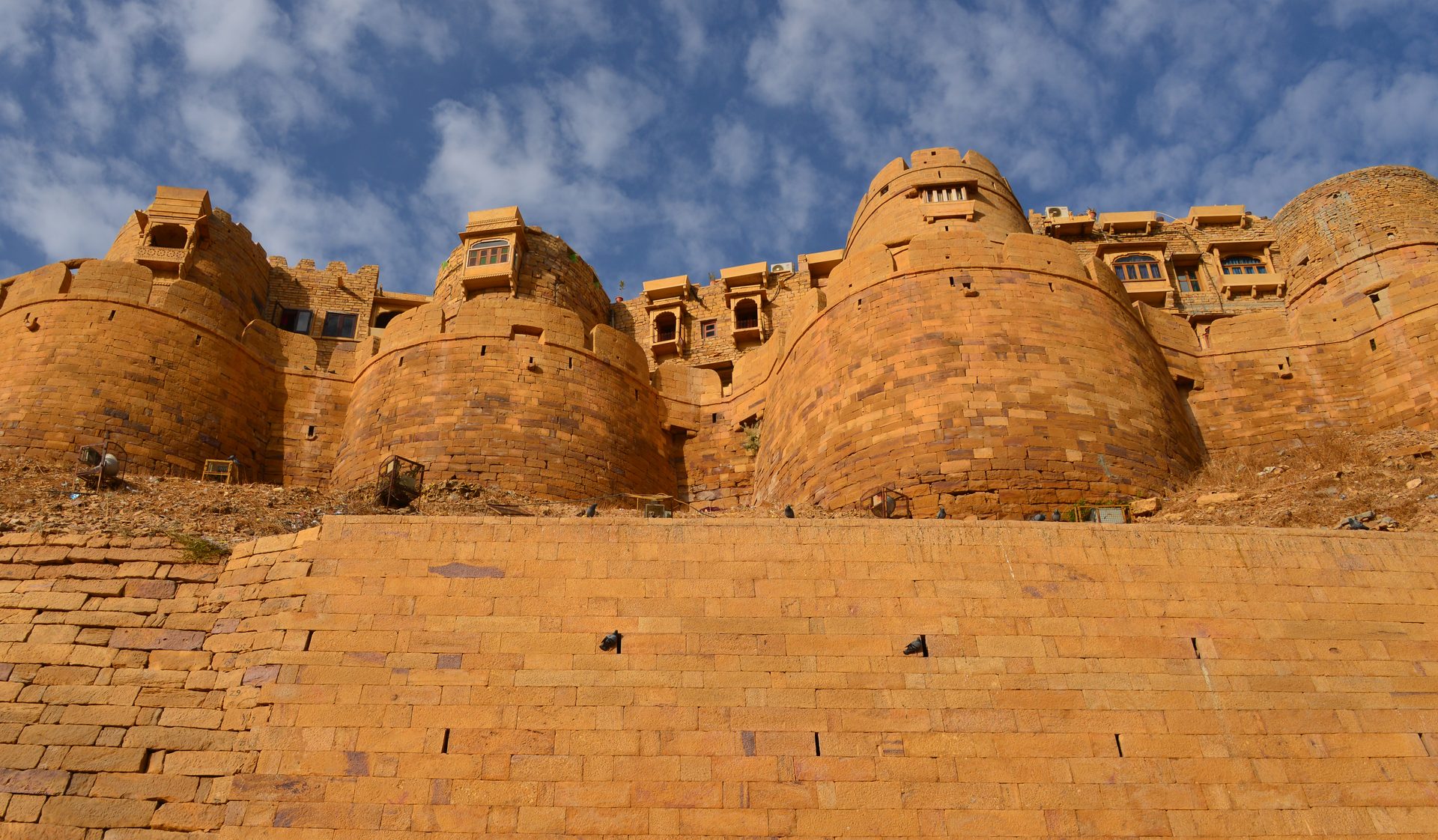
Jodhpur is known for antiques and hand-block textiles around the clock-tower market. Jaisalmer specializes in mirror-work embroidery and leather goods, sold through the fort’s haveli-lane shops.
Shekhawati & Bikaner
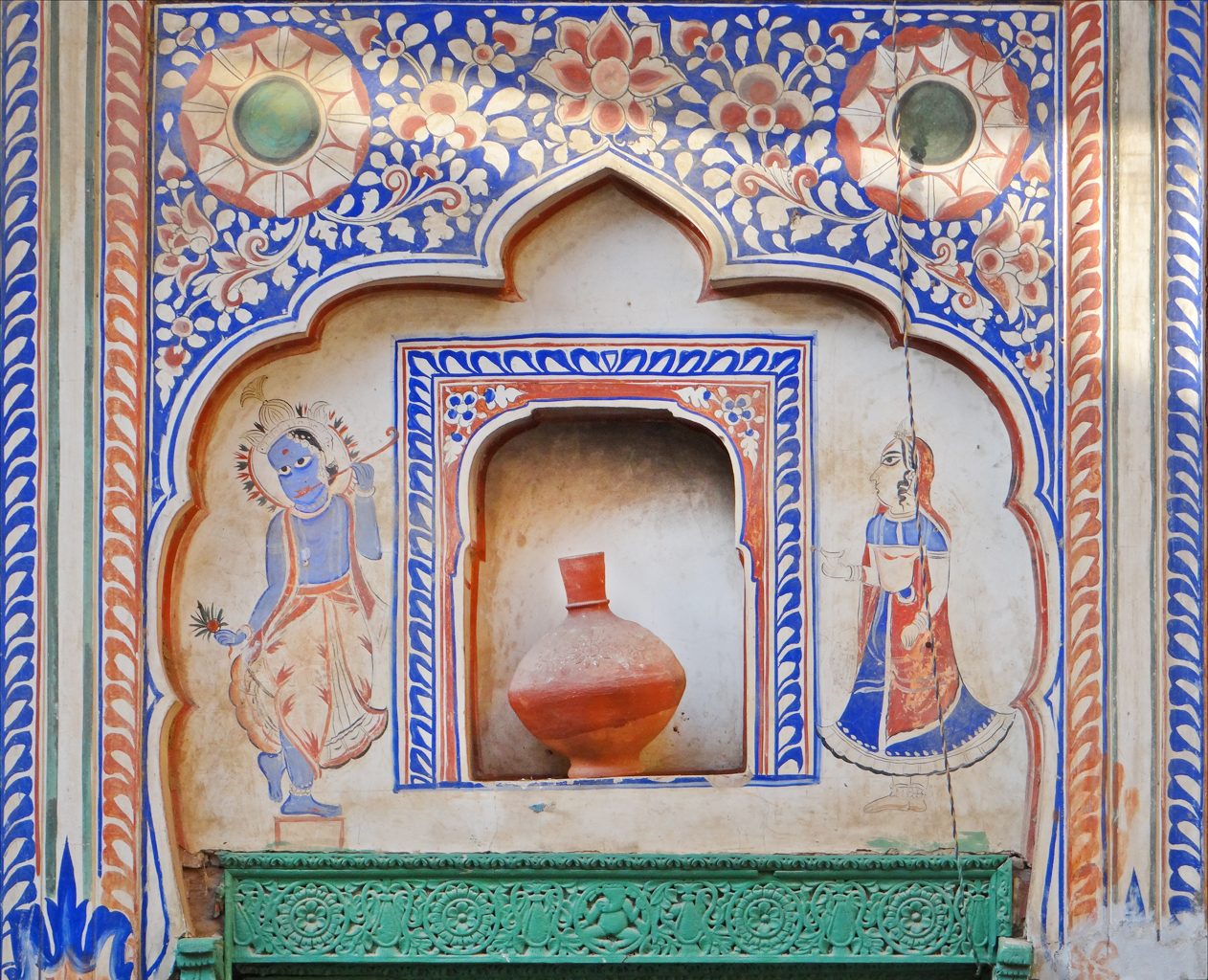
Shekhawati’s towns produce miniature paintings in the same tradition as the region’s haveli frescoes. Bikaner is the source city for bhujia, a spiced gram-flour snack sold in tins across India, and excellent milk sweets.
A note on bargaining
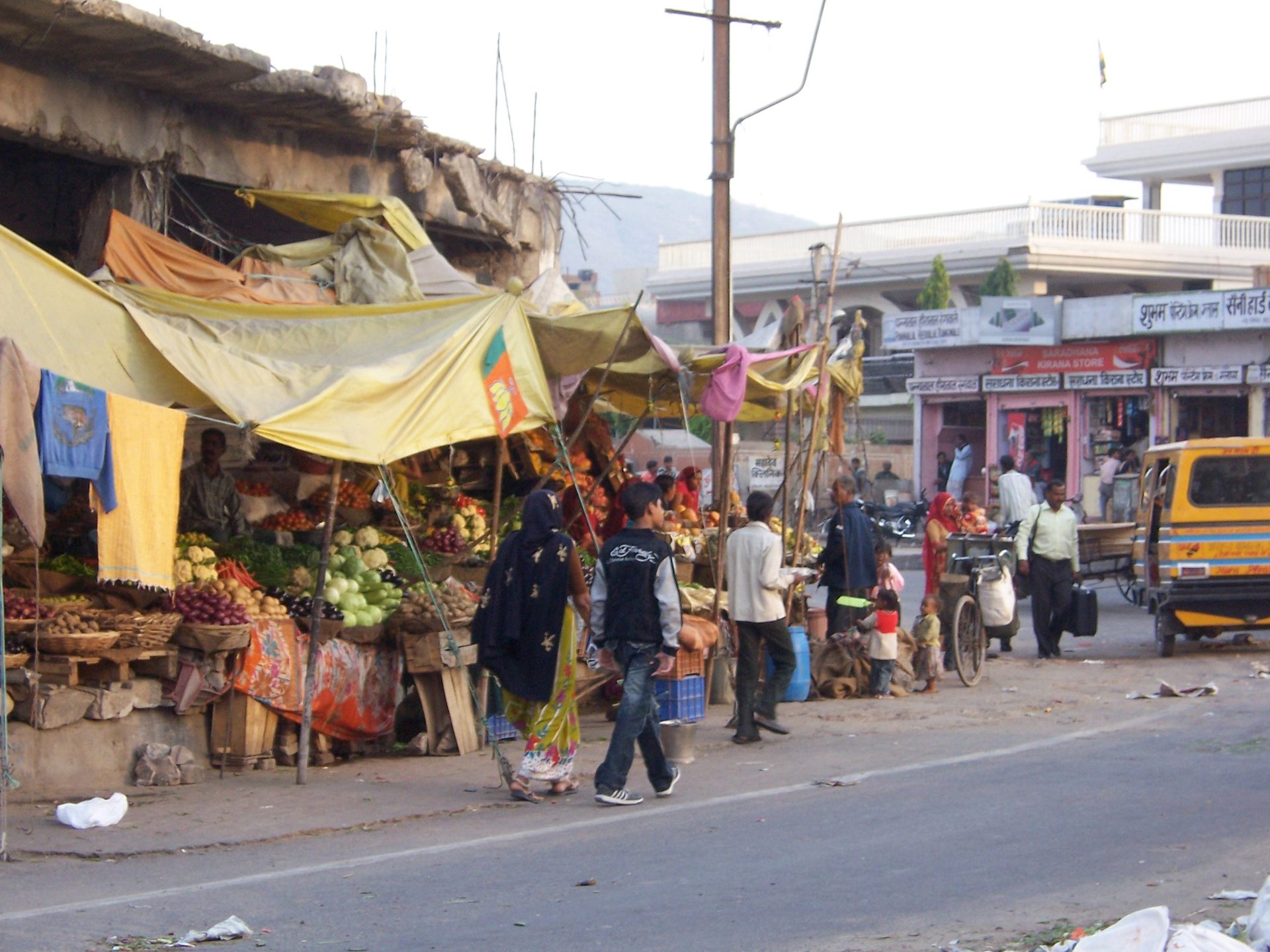
Bazaar bargaining is normal and expected in most markets, but for gemstones or serious jewelry purchases, a certified government emporium is a safer bet than a bazaar stall, regardless of the initial asking price.
Where to shop on a route
Jaipur, Jodhpur and Udaipur are the main shopping stops on most circuits, and a private vehicle makes it easier to carry what you buy. Our Royal Rajasthan Tour passes through all three, and you can ask for extra market time in the plan.
Questions
Quick answers
Jaipur’s Johari Bazaar is the state’s gemstone capital, but for anything valuable, buy through a certified government emporium rather than an independent bazaar stall.
Yes, in most bazaars — approach it respectfully and expect to settle somewhere well below the opening asking price, especially for textiles and handicrafts.